Infection Control & Barrier Precautions, Education for Prescribing Controlled Substances, and Child Abuse Reporter Training
Your Guide to New York Professional Requirements
Category - health-and-diet
Posted by Claire Whitmore

The weather’s warming up, the family vacations are planned and the kids are nearly out of school for the summer – what could be better? As the sun becomes more intense throughout the summer months, you might start to notice that it takes less and less time for your skin to start getting sunburnt while participating in outdoor activities. And while it’s always nice to get some Vitamin D and have glowing, radiant skin, the sun’s ultraviolet rays can be damaging to your skin if left unprotected. If you are planning a family vacation that involves traveling to a state where the sun’s ultraviolet rays are more intense, such as Florida, then you really have to think about young children and infants whose skin is at more risk for sunburn while outside. Being knowledgeable about how the sun and heat can damage your skin is the start of the best way to protect yourself and your loved ones. How Can the Sun Damage Your Skin? Although it’s hard to think...

Posted by Emily Pazel
As the new school year begins, the excitement of welcoming fresh faces and new beginnings fills the air. But before the bell rings on the first day, there's one important task to tackle – giving your classroom a good old-fashioned deep clean. Imagine walking into a sparkling, organized space where creativity and learning can thrive. With a little elbow grease and a dash of fun, you can transform your classroom into a pristine haven that both you and your students will love. So, let's dive into the ultimate guide to deep cleaning your classroom and start the year off right. Creating an Optimal Learning Environment A clean and organized classroom can significantly enhance student focus and engagement. When the environment is clutter-free and well-arranged, students are more likely to feel comfortable and ready to learn. Incorporate flexible layouts that allow for different teaching methods and activities. Movable furniture can be adjusted based on the day's les...

Posted by Claire Whitmore
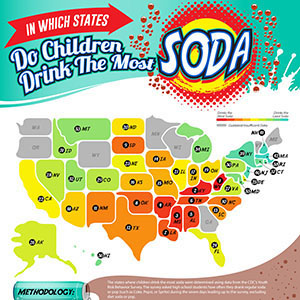
As sugary sweet as it is crisp and refreshing, soda is a staple in American fridges for good reason. It’s easy to grab on the go, tastes great, and gives you a quick burst of energy. But for all its fizzy charm, overconsumption of soda has some sticky consequences. However, even though we know soda isn’t good for us, there’s no denying that the beverage holds a significant place in diets nationwide. While many adults are rethinking their soda habits these days, it’s easy to overlook just how much our kids are drinking. Even more interesting is how that number changes depending on where they live. In this report from PARequirements.com, we’ve cracked open the numbers to show you where kids are reaching for soda most often and what those patterns might reveal about their health. Click here to download the printable PDF version of the chart.   How Does Soda Affect Your Health? These days, we’re all aware that soda isn’t the ...

Posted by Claire Whitmore
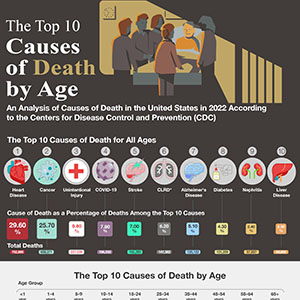
Click the image to view the full size visualization The topic of death is often uncomfortable, but understanding its primary causes can help prevent avoidable fatalities. The leading causes of death differ depending on the stage of life, from infancy to older adulthood, and are influenced by genetics, lifestyle factors, mental health, and environmental conditions. PARequirements has reviewed the top 10 causes of death among various age groups in the United States, using current statistics to identify significant risks and recommend prevention strategies. Click here to download the printable PDF version of the chart. The Primary Causes of Mortality in the United States Heart disease, cancer, and unintentional injuries are the top three leading causes of death in the United States. Heart disease impacts both young and older individuals and is often linked to chronic lifestyle conditions. Cancer, prevalent in adults, is influenced by genetic and environmental factors, with 2,001...

Posted by Claire Whitmore
A well-thought-out classroom environment is pivotal for fostering student engagement, motivation, and academic success. As educators, the atmosphere we create can set the tone for the entire school year, influencing how students interact, learn, and grow. A positive start can pave the way for a productive and harmonious classroom where both students and teachers thrive. This guide explores essential strategies for designing a conducive physical space, establishing effective routines, building a supportive classroom culture, and integrating technology and resources. Designing the Physical Space Arranging Desks and Seating: The arrangement of desks and seating in a classroom significantly impacts student interaction, participation, and learning outcomes. Here are some tips for different seating arrangements: Group Work: Arrange desks in clusters or small groups to facilitate collaboration and discussion. This setup encourages peer learning and fosters a sense of community. I...

Posted by Claire Whitmore
A hard-working professional begins their day before dawn, mentally preparing for the long hours ahead. Their life revolves around work, with little time for personal activities or relaxation. Every day, they struggle to balance their demanding work schedules with their personal fulfillment needs. Despite the constant pressure and limited free time, finding moments to engage in hobbies and interests outside work is crucial. Personal activities are not just a break from work but also enrich one's life, boost mental health, and improve overall happiness. For this hardworking individual, dedicating even a small portion of their scarce free time to hobbies can be a significant step towards a more balanced and rewarding life. In today’s fast-paced work environment, maintaining a work-life balance has never been more challenging—or more crucial. Amidst the hustle of professional commitments, hobbies emerge not just as leisure activities but as essential components of our we...

Posted by Claire Whitmore
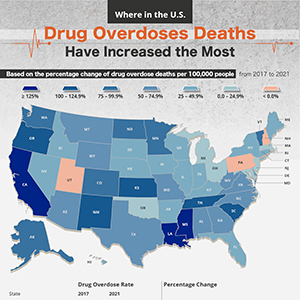
Drug overdose deaths are an epidemic in the United States. In 2021, more than 106,000 Americans died from a drug-involved overdose, and more than 75% of these deaths involved opioid drugs. According to the Centers for Disease Control and Prevention (CDC), the rate of drug overdose deaths overall in the United States increased by 14% between 2020 and 2021. While the United States as a whole is seeing an increase of drug overdose deaths, some states' death rates are rising more quickly than others. The NYRequirements.com team examined data from the CDC through the years to determine which U.S. states have seen the biggest increase in drug overdose deaths through the years. See which states' drug-related deaths have increased the most between 2017 and 2021. Click here to download the printable PDF version of the chart. Which States Have Seen the Biggest Increase in Drug Overdose Deaths? Based on the data from the CDC, the state that has seen the biggest incre...

Posted by Claire Whitmore
As it gets closer to springtime, the flowers begin to bloom, and the trees regain their leaves – causing the pollen levels in the air to increase significantly. This time of the year can be particularly challenging for children with allergies, as outdoor activities can trigger allergy symptoms. Therefore, parents and guardians must have the proper knowledge and tools to effectively manage their children's allergies, enabling kids to enjoy the outdoors without experiencing discomfort. Outdoor activities are beneficial for physical health and well-being. However, they can become a source of discomfort for kids with allergies. Therefore, this guide aims to provide parents with the necessary knowledge and tools to effectively manage their children's allergies. This way, outdoor activities can be enjoyable for children without triggering allergy symptoms. Recognizing Symptoms When a child wakes up with a runny nose and sneezing, it's a common concern for parents o...

Posted by Claire Whitmore
When you see a group of children or young students out on the playground, while it looks like fun and games, it's more important than that – it's a vital part of how they grow, develop, and learn at an early age. From running around in the park to building with blocks, every playful moment is a step in their development. Playtime can help children in different ways, including their thinking, physical health, emotions, and getting along with others. It's a journey into the critical role of play in shaping a child's life, helping them become well-rounded individuals as they grow up. Remember when you were growing up and the different games you played? Whether it was a game of hide and seek, building imaginary worlds, or simply drawing with crayons, each game was more than a way to pass the time. These activities were instrumental in shaping your understanding of the world, honing your social skills, and sparking your creativity. From learning to work in teams to ...

Posted by Claire Whitmore
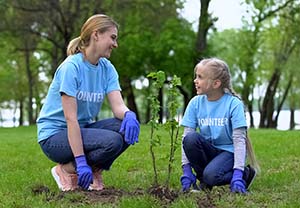
The holidays can often leave us with a warm, fuzzy sensation in the pit of our stomachs, associated with the feeling of being fulfilled. Whether you are reflecting on a year's worth of accomplishments, feeling thankful for your friends and family that surround you, or even grateful for your health – there can be much to be optimistic about. Yet, not everyone feels this same way. While you might feel unconditionally loved and blessed, others aren't so lucky. One of the ways to extend a helping hand is by volunteering and giving back. You can create ripples that spread altruistic efforts and affect individuals and families worldwide. The power of giving back holds a special place in our hearts. It's more than just helping others – it's a journey of self-discovery, growth, and fostering a more compassionate society. In fact, it turns out that there are surprisingly positive benefits to volunteering that affect your health, your mentality, and, of course, the...

Posted by Claire Whitmore
Childhood is a vibrant period of growth and discovery, where every experience contributes to the developmental tapestry of a young individual. Among the myriad enriching experiences, creative arts are a powerful catalyst for cognitive, social, and emotional development. Whether you are in the childcare industry or a caregiver, learning how art can expand the horizons of child development is essential. The brush, the crayon, the clay, and even the simple pencil are tools that unlock the doors to a child's imagination, allowing them to explore new worlds and possibilities.  Through creative arts, children learn to interpret and shape their environment, laying down the neural pathways that will become the superhighways of thought and innovation in their future. In this blog post, we'll explore how engaging with creative arts can foster growth in children and how caregivers can effectively integrate these activities into daily routines. Going Beyond the Brushstrokes F...

Posted by Claire Whitmore
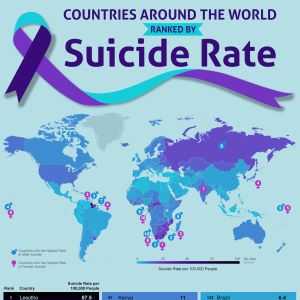
Countries Around the World, Ranked by Suicide Rate Suicide is one of the leading causes of death around the world, attributing to one in every 100 deaths. Which countries suffer the most from this mental health epidemic, and which countries have taken action to lessen the suicide rate among their populations? The team at NYRequirements.com created a ranked list of countries by suicide rate to find the answer. The following suicide rates of countries are estimated by WHO and other health organizations as the true rate of suicides is often under-reported due to the stigma surrounding it in many countries. Deaths caused by suicide need to be recognized and treated as a public health problem that affects many people; research has shown that offering support to those in distress is necessary to reduce suicide rates around the world. The 183 countries listed below have been ranked on their overall suicide rate, but you’ll find that we have also highlighted the 10 countries with...

Posted by Claire Whitmore
It's no secret that getting children to eat healthy foods can sometimes be a challenging and complex task, requiring patience, creativity, and collaboration between parents, caregivers, and often, teachers and childcare providers. However, these challenges can be overcome by making mealtime a positive experience, introducing new foods gradually, and involving children in food preparation. Creating an encouraging environment that fosters curiosity and appreciation for nutritious foods is essential, setting the stage for lifelong healthy eating habits. As we all know – healthy eating habits are integral to our well-being. Establishing these habits early on can set the groundwork for lifelong health and decrease the chances of chronic diseases in the future. In fact, nutrition during infancy and childhood profoundly impacts growth, development, immune system function, and long-term health. Let's take a minute to 'dish out' these areas a little deeper, serving up a...

Posted by Claire Whitmore
Many picture summertime as this joyous time of the year, with the sun shining brightly and the days longer than ever; it's typically seen as a time for fun, outdoor activities, and social connections. However, only some people share this sunny outlook. Have you ever felt a wave of what's known as the "summer blues"? Although the blues are more commonly associated with the wintertime, the excessive heat in the summer can also bring about feelings of lethargy and isolation as we spend much of our time indoors.  When a seasonal change happens, such as the onset of an intense heat wave during the summer, and it begins to affect your behavior, this is known as seasonal affective disorder (SAD). Although the summer blues are a less common type of seasonal depression, it's still a very real issue that many deal with, especially when you live in an area with extreme heat conditions. Understanding the Summer Blues The summer blues is a type of depression that...

Posted by Claire Whitmore
In a world where stress, anxiety, and emotional turmoil live in abundance, finding effective methods and ways to promote well-being and healing is essential. Although New York City is known for its fast-paced living, it's also famous for its vibrant, thriving arts scene, where music fills the streets and has a remarkable impact on its community. Amidst the towering skyscrapers and busy streets, the growing field of music therapy has helped enrich the lives of many throughout the city. With its ability to engage emotions, stimulate cognitive functions, and foster a sense of connection, music therapy has gained recognition for its remarkable therapeutic benefits. In fact, it has been proven to help with various disorders, such as depression, autism, substance abuse, and Alzheimer's disease. And, as a bonus, you don't have to have any background in music to participate and benefit from its therapy. Throughout this blog post, we will explore what music therapy is and delve i...

Posted by Claire Whitmore
New York City – nicknamed “the city that never sleeps” – is known for its energetic atmosphere that continuously stays in motion throughout the day and night. The city's entertainment opportunities are endless, with its thriving nightlife scene and restaurants staying open until late into the night. However, this non-stop ball of energy and excitement could affect your health. According to the National Sleep Foundation (NSF), getting the proper amount of sleep each night is essential to maintaining a healthy lifestyle. As a matter of fact, the NSF states that the quality and quantity of your sleep you receive each night strongly ties to your mental health and emotional well-being. When you go to sleep, your body and mind undergo a restorative process that helps you regulate your emotions and improve cognitive function. While it can be great fun to stay out late and dance the night away, research shows that too much of this late-night activity can be detri...

Posted by Claire Whitmore
Nursing in the Big Apple can be overwhelming. Between the high volume of patients and the city’s normal hustle and bustle, it can be difficult to find a moment of relaxation and reflection. That being said, there are few places where doing so is more important. Surviving and thriving in New York means being intentional with free time - building a space to clear your mind and focus on self-improvement. Creating Space Amidst Chaos With long shifts where seemingly anything can happen, it may feel like the only way to settle down post-work is to flop on the bed and grab some shut-eye. While rest is incredibly important, there are a few ways nurses can transition from work to personal life without running themselves ragged. Enjoy the Little Things - find a smell or a snack that brings you joy, something that can calm you down and ease you into your personal life. Nurses deal with intense smells and experiences all day long. A small investment in self-care can make...

Posted by Claire Whitmore
Find the Right Big Apple Apartment to Fit Your Needs With nearly 9 million residents and broad-spanning hospital systems, it’s no surprise that scores of travel nurses make their way to New York each year. Beyond the challenge and opportunity of serving America’s largest city, there are plenty of reasons why nurses choose to work in New York. For one, it offers nursing wages that average 12.8% higher than the national average(1). It’s also an amazing opportunity beyond employment - access to incredible museums, fine dining, and Broadway shows... Nurses that have made the decision to move to New York likely have a lot on their minds. Regardless of where they are coming from, New York will undoubtedly be a change of pace. One of the biggest challenges for nurses first arriving in the city is finding the right housing. Where should I live? Can I afford an apartment for myself? Will I need to find roommates? To answer travel nurses’ burning questio...

Posted by Claire Whitmore
The current and future nursing shortage has been a hot topic within the medical industry; it has even begun being featured in major publications and news outlets. Attrition within the field is growing steadily, as those committed long-term ages out of their careers, there simply aren’t expected to be enough people to replace them. Nurses are asked every single day to do more with less. But in addition, the condition and volume of patients are expected to increase and require more complex management in the future. Why? There are two forces driving that, an aging “Boomer” generation and, well, the weight of the world. Weight gain isn’t a U.S. phenomenon; in fact, according to the World Health Organization, worldwide obesity has increased three-fold since 1975. Looking deeper into the numbers, weight gain by decade is on a steady incline based on a study by the CDC, looking at the average American weight by decade: 1960’s-70’s – 167 lbs ...

Posted by Claire Whitmore
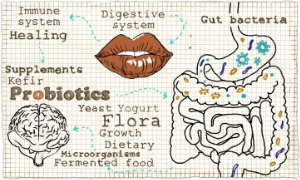
A recent Podcast by Vox’s Unexplainable ventured into the hot topic of gut health and its impact on both physical and mental well-being. A full transcript of the Podcast “Your Gut’s Feelings” can be found on Vox’s website here. From Tiktok influencers to big pharma, gut health is one of the premier talking points in a world of people looking to feel better, look better and be in better health. But what impact does gut bacteria actually have on your emotional health, on your physical health? Let’s take a deeper look at gut bacteria, probiotics, and the latest fads obsessing the health-conscious. What do IBS, stress, mood disorders, and anxiety have in common? Poor gut health? But what does the actual scientific evidence say? According to Dr. Katerina Johnson, a University of Oxford biologist and gut microbiome researcher, there is mounting evidence that gut bacteria directly impacts personality traits (at least in our rodent friends). During the...

Posted by Emily Pazel
When you think back to your favorite childhood memories, do many of them take place in the summertime? The days start to get longer, the weather begins to warm up and there’s more free time available after school gets out. Maybe some of your fondest memories involve the time you spent at summer camp, hanging out with grandma and grandpa, or maybe even taking swim lessons at your local community pool. Whatever the case may be, the summertime is a great opportunity for children to spend time with friends and family or maybe even learn a new skill here and there. For working parents that don’t have the summers off, it might be harder to take long vacations or spend as much time with your children as you’d like. However, that doesn’t mean you can’t take a week to vacation here and there or sign your child up for events and camps that keep them occupied during their time off during the summer. Summer Camps From overnight wilderness camps to youth sport...

Posted by Emily Pazel
As young children move from the infant stage to the toddler stage and beyond, it’s important to teach them life lessons that are important for early childhood development, which not only applies to excelling in the classroom but also for fundamental things at home, such as proper hygiene. As parents and guardians, we end up doing a lot for our children, and they are constantly watching and soaking up our every move. That’s why it’s important to set good examples of proper hygiene that becomes important as they age through life. However, as many of us know, teaching a moody toddler how to brush their teeth isn’t always a walk in the park. And bath time isn’t always the bubbly experience we see on TV commercials. While some days are just better than others when it comes to your child’s behavior, there are ways to make personal hygiene more fun and less like a chore to do around the house. Why is Hygiene Important? Good personal hygiene, accord...

Posted by Emily Pazel
If you are a parent or work in an environment with children, it’s most likely that you have some sort of emergency plan of action in place or have thought about putting a plan in place that has to do with fire safety. Although no one ever wants to go through something so tragic like a fire accident, it’s always good to have a plan in place just in case the unthinkable happens. Once a fire starts in a home, all it takes is around two minutes for the fire to become very life-threatening. In fact, a home or residence can become engulfed in flames within around five minutes, and all it takes is minutes for thick black smoke to fill a house. And if you think the actual fire itself is dangerous, according to ready.gov, the heat can oftentimes be even more threatening than flames. A fire can be 100 degrees at floor level and rise to 600 degrees at eye level, which can burn your lungs when you inhale and it can even melt your clothes to your skin. Although we all have busy li...

Posted by Emily Pazel
It may seem like your little one was just learning their first words and taking their first steps yesterday, but in reality – they have grown into thriving, free-minded teenagers who are ready to explore the world. And with that, come a lot of challenges and emotions that begin when children start to have interests in dating. Especially in today’s world, dating and using online technology seem to go hand-in-hand, so there are added stressors and challenges for parents to look out for. When your child is handed a phone, tablet or anything that has access to the Internet, you are unlocking a whole new world to them that may need to be monitored at times. And when it’s your first child, you may find it helpful to look up resources and articles that educate you on the subject. While there’s plenty of online chat forums or social media groups where you can seek advice, it’s also good to read articles from reputable sources that might offer helpful advice....

Posted by Emily Pazel
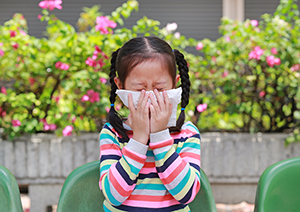
It seems like we’ve all been there before — the weather begins to warm back up, the flowers begin to bloom and then something in the air starts to make us sneeze. Once we start sneezing, our nose starts to drip like a faucet and then we start dealing with the aftermath of seasonal allergies. And unfortunately, in this day and age, having a runny nose, watery eyes and a cough can sometimes be confused with being sick with an illness, such as COVID-19.  When the weather begins to warm up and the pollen starts to take over, people that have severe allergies end up having some really long, bad days. Fortunately, there are ways to help make the allergies not be so bad and there are even ways to help avoid getting a bad allergy attack. But before we get into that, let’s talk about what allergies are and why we react to them the way we do.  What are Allergies? Allergies can take on many forms and have several types. According to the Asthma and Allergy Foun...

Posted by Emily Pazel
Have you ever noticed that when the weather turns from sunny to cloudy and it casts a blanket of grayness over the area, your mood also tends to fluctuate along with it? On a cold or rainy day when the sun just can’t seem to pop out from behind the clouds, you might notice that you aren’t feeling your best. You might be feeling more depressed, less energetic, and maybe even just not like yourself. However, it’s not just dark, dreary days that can affect our mood – there has even been scientific research that shows that the sun and humidity can also play a factor in it.  If you grew up in a warm, sunny environment, but then moved to an area that experiences a harsher winter with less sun throughout the year, you might start to notice that your moods fluctuate along with the seasons. If you start to feel down or maybe even depressed, there are ways to help with this. But before we get to that part of the situation, let’s first take a look at the scie...

Posted by Emily Pazel
Each year, as the seasons change and the weather brings new and exciting transformations, such as the leaves changing colors and the weather dipping well below warm temperatures, we begin to also see a slight change in our health. With cooler, chillier temperatures, humans instinctively gather inside where it’s warm. But unfortunately, this means we tend to share spaces with one another a little more, which leads to us catching a cold, the flu or even catching a different airborne virus that’s spreading around. Thankfully, there are ways to help slow the spread of viruses and illnesses, which means we can help keep people a little more healthy. But why does it seem like the cooler weather always brings a string of illnesses along with it? Is it just a coincidence? Let’s dig deeper into this thought. What makes us get sick during the winter? Although it might seem like the cold weather causes illnesses to creep up on us out of nowhere, the weather is not direc...

Posted by Emily Pazel
No matter who you are or where you come from, at the end of the day, it’s important to stay thankful and appreciate the things around you. Just like many things you must teach children as they grow, you must also teach them how to be thankful and appreciate the world around them. It’s easy to get caught up in receiving gifts around the holidays or birthdays, having endless food at family get-togethers and not stopping to think about how good we actually have it. Especially in today’s generation, where things or food can come to your door after a simple click of a button, it’s easy to forget or not realize how hard people are working to get you the things you need. So, how do we teach children the importance of being thankful? It’s simple, really. It all begins with you. It all begins with an adult showing and teaching children different ways they can be thankful. Good Ways to Teach Thankfulness Just like teaching your children to brush their te...

Posted by Emily Pazel
Have you started finding empty candy wrappers in your car where your child sits or around your children’s bedrooms? Around this time of the year, you might have noticed a big pile of delicious, colorful candy lying around your home. With trick-or-treating around the neighborhood or attending local fall festivals, the candy might be starting to add up and overflow around the house. And while you might think it’s harmless to indulge every now and again on sugar, high amounts of it can have present-day consequences along with long-term effects on your body. According to the American Heart Association (AHA), their guidelines call for less than 25 grams – or six teaspoons – of “added sugars” per day for children ages 2 to 18 years old. So, when you find yourself eating one too many candy bars, it might be a good idea to double check the packaging for details and then limit your intake. With the holidays right around the corner, it’s also impor...

Posted by Emily Pazel
Even though we live in a time where going to see a therapist is commonly practiced among society, most of the time, there is still a negative stigma behind addressing mental health issues. In many cases, these bad stigmas can discourage someone who really needs help to seek out a professional. And when our mental health issues go unchecked, it can sometimes lead to creating even bigger, more serious problems, such as major manic episodes or long bouts of depression. So, maybe you have been recommended to talk to a therapist in the past or are interested in taking the initiative yourself. Either way, it’s good to research and find out what type of therapy is best for your situation and learn a little about what happens behind closed doors to help ease your nerves. What to Expect at Therapy If you have never gone to therapy before, it can sound intimidating at first. You might think that sitting in front of a total stranger, telling them very personal things is something y...

Posted by Claire Whitmore
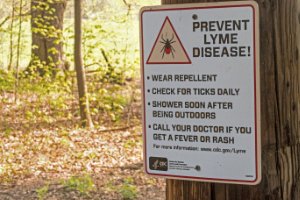
Anyone who spends a lot of time outdoors and lives in an area where deer ticks live needs to be aware and cautious of Lyme disease. Bites from deer ticks can transmit Lyme disease, which can have devastating effects if it's not diagnosed and treated quickly. Stay vigilant about tick bites, and watch for common symptoms of Lyme disease. If you notice early symptoms, see a doctor right away. History Lyme disease was recognized and classified in the United States in the 1970s. A group of people in Lyme, Connecticut, began experiencing serious health issues that included skin rashes, headaches, severe fatigue, swollen knees, and paralysis. Eventually, researchers found that all of the people with these mysterious symptoms had been bitten by ticks in the same region. By the mid-1970s, scientists had discovered and defined a new illness that they called Lyme disease. History of Lyme Disease History of Lyme Disease in North America Revealed With Bacterial Genomes Origin of...

Posted by Claire Whitmore
Kids are using the Internet more than ever before on desktops, laptops, and mobile devices, especially as online learning has become more prevalent. Internet safety is an important topic to discuss with kids so they're aware of the potential dangers of Internet use. Parents should also use tools such as parental controls and privacy settings to keep kids safe. Digital Cleanse A digital cleanse is a process of detaching from electronic devices that are connected to the Internet. The purpose of a digital cleanse is to focus on in-person interactions and reduce sources of stress. If electronic devices have become too much a part of daily life, a digital cleanse can be useful for breaking negative behavior patterns. The extra time not spent on electronic devices can make it possible to focus on enjoying nature, exercising, meditating, and spending time with family and friends. Ten-Step Guide to Doing a Digital Detox Five Ways to Do a Digital Detox Five Signs You Need a ...

Posted by Emily Pazel
As Hurricane Ida came across the country it unleashed a powerful wrath of storms, wind and rain, dangerous flooding throughout the United States – particularly in New York and surrounding areas – and caused many people to go without power and experience flood damages. As the rains continued, flash flooding became a big problem and even caused deaths throughout the Northeastern region of the United States. Per Reuters News, “… Hurricane Ida unleashed torrential rains that swept away cars, submerged New York City subway lines and grounded airline flights... Across large swaths of New York, New Jersey, Pennsylvania and Connecticut, residents spent the day coping with water-logged basements, power outages, damaged roofs and calls for help from friends and family members stranded by flooding.” Later that week, President Joe Biden even declared that New Jersey and New York were in a state of emergency and “ordered federal assistance to supplement lo...

Posted by Emily Pazel
While vacationing at the lake house this summer with family, one of the last things you would expect to happen would be to get sick with a cold or flu. However, as mask mandates and social distances guidelines continue to lift, the spread of germs increases. A year ago when the pandemic hit, many people started working from home, practicing social distancing and wearing a mask to help slow the spread of the virus. And with that, cold and flu numbers became almost non-existent.  More recently, however, “urgent care centers report an uptick in adults coming in with a number of viral infections that resemble a common cold or flu, but are not COVID-19,” according to WRGB CBS 6 News, Albany. Medical professionals are encouraging anyone that is experiencing cold and flu symptoms to go see a healthcare provider to rule out other respiratory illnesses, such as COVID-19. Although cold and flu season is more prevalent during the winter and fall months, it isn’t uncom...

Posted by Emily Pazel
As summer comes close to an end, students around the country will be getting ready to start a new school year again. Whether your child is trying out a new school this year or heading back to the same school for the third year in a row, it’s always a time of mixed emotions. Some children are anxious about meeting new classmates while others might be excited to get back to seeing their old friends again. As a parent or guardian, it’s up to you to figure out when your children need your support and encouragement to make their transition back to class as smooth as possible. And, students aren’t the only ones getting close to returning to school again. Teachers, school administrators and other school employees will soon be back to the old grind, working to make sure students have the best possible learning experience at their school. Come this August, school campuses will be bustling with people again and children will be back on track to furthering their education. So...

Posted by Emily Pazel
School is finally out for the summer, businesses and tourist attractions have opened up their doors back to the public and everyone is making their escape out of the house after being cooped up inside for over a year. After the pandemic swept across the country and the world, making it difficult to travel or even leave the house, it’s finally coming back to normal and people are traveling more than ever before. In fact, according to major news outlets, traveling for leisure has seen a big uptick in the past month or two and will most likely continue through the summer. If you have traveled before with young children, you understand that it takes a bit of planning ahead – and sometimes – even bravery to conquer getting to your final destination. Whether you are traveling by plane, car, train, bus or even a boat, there are typically rules and regulations you should know about before leaving the house and heading out. Sometimes, all it takes is talking to fellow paren...

Posted by Emily Pazel
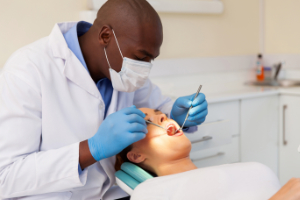
As with many things the pandemic put on hold, many routine office visits to your doctor or dentist were rescheduled or put on hold until further notice. And if you’re like the millions of Americans that take little time out for themselves during their busy schedules, this might be the reminder you need to go ahead and schedule that routine checkup with your dentist. Even if you’re an avid tooth-brusher and regularly floss like you should, you still need to visit your dentist on a regular basis. Although there tends to be a negative stigma behind going to the dentist, it doesn’t have to be a bad experience. Finding the right dental health provider for you and your family could be right around the corner. And in today’s world, many times you’ll probably find that dental insurance can cover a large portion of the visit and make it less painful for your wallet as well. So, let’s start with the basics. Just like going to the doctor for a regular, ro...

Posted by Mary Thompson
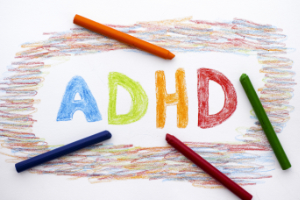
Many parents mistake their children’s ADHD for laziness or lack of motivation. The truth is that sometimes ADHD is easy to recognize or very easy to overlook. Treatments and medications are still evolving today as researchers achieve better understandings of this complex disorder. However, if you have any doubts or questions about your child’s behavior, it is recommended to consult your pediatrician or a health professional first to determine whether or not your child has ADHD or if they are just being kids. What is ADHD? ADHD stands for Attention-Deficit Hyperactive Disorder, a common neurodevelopmental disorder that mostly children are diagnosed with. It‘s characteristics are inattention, or excessive activity and impulsivity that are not appropriate for someone's age. Another common trait that people with this disorder have is the difficulty to control their emotions and/or have problems with executive function. Executive function is the system that ma...

Posted by Emily Pazel
Your feet are an important part of your body. In fact, according to heathline, it’s estimated that people typically average walking around 75,000 miles by the age of 50. Between work, being at home, exercising or even on vacation, you are always using your feet. And because of all the wear and tear over the years, you might start to see your feet take on some damage. Luckily, there are ways to keep common foot problems at bay. And, if it’s something that requires a specialist, a Podiatrist – also known as a Doctor of Podiatric Medicine (DPM) – is someone who treats the foot, ankle and related structures of the leg. Most common foot problems When your feet are in pain, it’s typically something you’ll want to address rather quickly – especially if you have a job that requires you to be on your feet often. Feet problems are pretty common since they get a lot of wear and tear, so it’s good to address the issue head on and get some he...

Posted by Emily Pazel
Even as an adult, going to the dentist can sometimes be a nerve-racking experience. So just imagine what it’s like as a young child going for the first time. The chair, the lights, the sound of buzzing tools – it’s a lot of stimulation and can be a lot to take in all at once. However, it’s a very necessary part of life to make sure young children see a dentist as part of maintaining a healthy lifestyle. So, it’s up to parents to get your children ready for their first visit to the pediatric dentist to provide a friendly, calming environment for children. With that being said, how can parents get their children ready to see a dentist? Simple, you can follow a few different steps to start that transition, like teaching them to brush their teeth for the first time from an early age. But just how early can you start? When should children start brushing teeth? Interestingly enough, babies are born with all 20 of their primary teeth below their gum l...

Posted by Claire Whitmore
Teaching Kids to Wash Their Hands Due to the COVID-19 pandemic, it's more important than ever for everybody to wash their hands, but sometimes, it can be difficult to get kids into the handwashing habit. It's crucial to help kids understand why it's important to wash their hands, when to wash your hands or use hand sanitizer, and what to do if they need help staying healthy. When to Wash There are a few key times where you are more likely to get and spread germs, and washing your hands before or after those times can be beneficial in washing the germs away and decreasing the likelihood that you and your loved ones can get sick. These times include: Before eating Before touching your mouth, eyes, or nose Before touching any cuts or scrapes on you or another person Before, during, and after preparing a meal After going to the bathroom After playing with any kind of animal, whether they are your pet or another animal After touching any kind of animal...

Posted by Claire Whitmore
Children are some of the most vulnerable people and the least likely to be able to look out for themselves. That's why it's crucial that parents and caregivers do whatever is necessary to minimize the risk of harm to children. This may include changes to the home environment as well as teaching children about how they can stay safe while they are at home, in the water, on the roads, or online. Safety at Home According to Safe Kids Worldwide, every minute of every day, one child dies from a preventable injury. There are many ways that parents can prevent injury to children at home, starting as soon as they're born. Babies should be placed on their backs to sleep until they are 1. They need to sleep in their own crib and not beside a parent or guardian. The mattress chosen for an infant should be firm. No accessories should be on the mattress, as this may cause harm if the baby moves. Children are often at eye level with cleaning items and other household products st...

Posted by Claire Whitmore
Do you like playing sports with your friends? Staying active and eating healthy food keeps your body strong so you can have fun. There are lots of games and activities you can do to stay in shape. You'll feel happier when you keep yourself healthy, and your body will be ready to hit the ground running when it's time to play outside. When you don't take care of your body, normal activities like climbing the stairs or going for a walk can make you feel tired and out of breath. Kids' health problems can even follow you when you grow up. That's why it's important to start and maintain healthy habits now. Why Yoga Is Good for Kids: Calming yoga exercises discipline the mind and stretch your muscles. The Benefits of Dance for Kids: Turn on your favorite music and try out some new moves. Relay Races for Kids: Relay races are a fun and interesting way to run around and test your skills. Take a Walk: Even a relaxing walk through your neig...

Posted by Emily Pazel
As the New Year begins, people start planning ahead for that one special day to celebrate the love and affection they have towards their significant other. Unfortunately, thanks to the pandemic, going out and having a normal day has become difficult for anyone whether it is people being afraid to leave their homes or due to several places closing down. Either way, it has resulted in couples spending a lot of time under the same roof. So maybe now is a good time to re-evaluate or work on your relationship. Although it’s easy to get caught up in the frenzy of divorce rates, studies have shown that, actually, divorce rates have seen a recent decline in the past few years. A recent survey from the American Family Survey found that 34 percent of married men and women ages 18 to 55 have seen increased stress in their marriage due to the pandemic. However, the same survey corporation also found that most married people said their marriages have gotten stronger, and that people report...

Posted by Emily Pazel
If you have ever been in the position where you have had to take care of a family member, friend or neighbor – whether it’s due to a disability or age-related – then you know the responsibility and hardships that often come with it. It’s relatively common for everyone to experience being a caregiver at some point in his or her life. Often, we end up taking care of a parent or family member that falls ill or has a disability and can no longer provide for him or herself. Over 60 million people living in the United States are unpaid caregivers, devoting their attention to someone else in need. And in the month of November, those millions are recognized during National Family Caregivers Month for all their hard work and dedication.  Maybe you haven’t had the opportunity to be a caregiver yet, but you know it will eventually come. Or, maybe you have already been down this road before and you can help others from your experiences. Whatever the case mi...

Posted by Emily Pazel
Suicide is a tough topic to discuss with anyone, but at times, completely necessary and may save a life. Each year, several mental health organizations and individuals across the country raise awareness of suicide prevention during the month of September.  Although there are several ways to try to help someone in a time of need, if you or someone that you know is in a crisis, call the toll-free National Suicide Prevention Lifeline at 1-800-273-TALK (8255) where you can speak to a professional. Every call is confidential and is available for anyone 24 hours a day, seven days a week.  It’s also important to point out that although you can always be a caring friend, a trusted coworker or a loving family member, suicidal thoughts can sometimes be more than what the average person can take on, and the assistance of a professional is required. By talking with a licensed professional early on, you can have better success with treatment and helping that person heal. But, ...

Posted by Emily Pazel
From an early age, you are taught one of the most essential lessons of hygiene – washing your hands. You are taught to wash your hands before you eat, after using the restroom, after playing outside in the dirt, after petting animals, and especially after blowing your nose, coughing or sneezing into your hands. When washing your hands, hopefully you are using soap and water, the two most vital ingredients for getting rid of germs and bacteria. But have you ever wondered when people started using soap? And what makes it so important to use? Washing your hands with soap and water, according to the Centers for Disease Control and Prevention (CDC), can help you stay healthy and help prevent the spread of germs and bacteria. As a matter of fact, government officials have advocated that simple hand washing techniques during the recent global pandemic could help save lives. Here are a couple of fast facts straight from the CDC: It is estimated that washing hands with soap and w...

Posted by Emily Pazel
One of the biggest complications that we face as human beings is dealing with stress. Stress affects everyone to a certain extent, but how well you learn to manage or cope with it can determine how it affects your overall health and your day-to-day actions, such as how well you handle stress at work, at school, or even with your loved ones. With April marking the start of National Stress Awareness Month, we are here to give you some pointers on ways to identify the stressors in your life and learn how to better manage them in a way that will let you resume your normal daily functions with ease. What is stress exactly? Although everyone experiences stress from time to time, everyone experiences stress differently due to the varying types of pressures involved. Depending on what the stressor might be, it could be just a one-time or short-term occurrence or it can happen repeatedly over a long period of time. Typically, stress can be broken down into three different categories...

Posted by Emily Pazel
Your teeth are unique to you. So unique, in fact, that no two people’s teeth are the same – even for identical twins. For years, detectives have been able to use dental records to occasionally identify human remains due to this fact.  An important part of being an adult and maintaining a healthy lifestyle is taking care of your pearly whites. After all, once you lose your baby teeth, you only have one set of permanent teeth to last an entire lifetime, so it’s important to keep them as healthy as possible. Plus, who actually likes getting their teeth drilled into for cavities and other procedures? It’s better to just nip it in the bud and take care of your teeth on a daily basis, the right way.  National Dental Hygiene Month is celebrated in October, which means that before you get too deep into all the candy corn and pumpkin spice lattes, remember that taking care of your teeth is essential to maintaining a healthy lifestyle. Let’s start by...

Posted by Emily Pazel
In a world where we upload a picture of our food to social media before eating it, it’s no wonder that our fascination with food has dramatically increased over the years. In the United States alone, one thirdof children are now either overweight or obese. Although having extra weight as a child might seem harmless, the consequences come later in life when you face higher risks of health complications such as heart disease, diabetes, or even become more prone to developing mental disorders such as high levels of stress or depression. With this growing epidemic upon us, now is the time to recognize the symptoms of childhood obesity, be aware of the factors that can cause it and educate yourself on how you can best prevent it in order to keep you and your loved ones healthy and happy. Symptoms Diagnosing obesity can be tricky. While some children are clearly carrying around extra pounds, others might actually just have larger than average body frames. Another issue is ...

Posted by Sandy Thompson
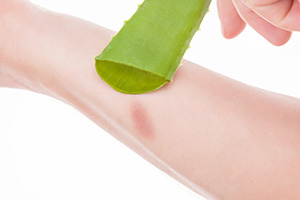
You have no doubt incurred some sort of burn in your lifetime. Whether you’ve scalded your hand with boiling water while cooking, developed a blistering sunburn after a long day at the beach, or something worse, burns can range from slight annoyance to life-threatening. Thanks to advances in medicine and our overall understanding of what happens when a person gets burned, we are now more than ever better equipped to treat victims of burns. This has drastically decreased the mortality rate that we see from severe burns today—in 1952, victims of more than 50 percent total body surface area burns had only a 50 percent chance of survival. Today, victims of the same severity of burns have a 98 percent chance of recovering from their injuries. This is due in large part to changes in initial assessments and procedural actions in the time shortly after a burn takes place. While these advancements in conventional medicine have improved conditions on the more severe side of bu...

Posted by Kristal Roberts
Most diabetics are familiar with the daily task of pricking their finger to draw blood, it’s something they must do to test their levels. But a new tool on the horizon will allow diabetics to ditch the pricking and it’s as easy as breathing. Oxford University researchers have developed an breathalyzer that replaces the need for drawing blood, according to ExtremeTech. As pointed out in the report, published in the American Chemical Society journal Analytical Chemistry, diabetics can have fruity smelling breath, which indicates acetone. It’s a natural byproduct of the metabolism. A strong presence of acetone signifies ketoacidosis. This could mean that there isn’t enough insulin in the bloodstream to handle glucose, which is a signal of diabetes.   However, It’s important to keep in mind that fruity smelling breath doesn’t always mean a person is diabetic. There are so many other compounds in our breath that an accurate measure ...

Posted by Kristal Roberts
The damage diabetes can cause to important organs like the kidneys, heart and even eyes are pretty well known, but new research reveals that poor blood sugar levels can damage the brain as well. The study, published in the Neurology journal, found that brain damage from diabetes can result in lower cognitive function and the loss of ability to complete daily functions. Dr. Vera Norak, an associate professor of neurology at Harvard Medical School and Beth Israel Deaconess Medical Center, led the research group in the diabetes study. Norak and her associates monitored 66 people who were on average 65-years-old, over the course of two years. About half of the group had diabetes while the other half didn’t, and in two years’ time, the group with diabetes received lower scores on cognitive tests than they did in the beginning of the research.   Those without diabetes experienced little to no decline in cognitive function over the time period. So what&...

Posted by Kristal Roberts
The Easter holiday is now behind us, but one thing sure to be left over everywhere is chocolate. You may have already spotted a couple chocolate eggs or chocolate Easter bunnies at your hospital’s receptionist desk.  Or maybe they were tucked in various areas near nurses’ admin area. Either way, professionals like you already know the fat, sugar and calories in chocolate is filled with threats to your waistline and overall health---like obesity, diabetes and a number of other complications.  There’s no doubt that’s it’s easy to give into a craving and take a bite, but you may appreciate the fact that certain chocolate has some seriously redeeming health benefits. The cocoa bean used to make chocolate contains plant sterols and flavanols, which are very powerful antioxidants. Chocolate rich in plant sterols and flavanols have been linked to improved memory, blood circulation, prevent strokes, lower cholesterol and bolster heart heal...

Posted by Kristal Roberts
Every February, tons of chocolate is sold in heart-shaped boxes, adorable teddy bears are dressed up in top hats with “I Love You” messages, and millions of people hang out at the card section of the store as Valentine’s Day nears, trying to find the perfect words to express how they feel. Aside from the commercialism of it all, love is truly a splendid thing, but it’s more than just the euphoric high of falling in love or that safe, familial feeling people experience with friends and family. Love has a  measurable impact on the heart and overall well-being. Here are just a few ways love makes you healthy. Heart Health A 2013 Finnish study published in the European Journal of Preventive Cardiology found cardiac events (both fatal and non-fatal) were 58 to 66 percent higher in unmarried men and 60 to 65 percent higher in unmarried women. Married people who undergo heart surgery are three times more likely to survive it compared to single people.&...

Posted by Kristal Roberts
There are many reasons to enjoy working the night shift if you’re a nurse---many times you can earn more money, less management is present, the patient visitations slow down, less tests are being administered and fewer phone calls are being made. However, one of the most dreadful parts of working the night shift for many nurses is the dreaded weight gain. If you feel like you’ve gained weight since working at night, you’re not going crazy. Research Finds Weight Gain Trends in Night Shift Nursing Several nurses complain of weight gain when working the night shift, and over the years, plenty of research has shown that this is a real problem. According to a study published in the May 2012 issue Journal of Occupational and Environmental Medicine, an experiment conducted with 2,000 Australian nurses found that nurses who switched from the day shift to the night shift gained weight over a two-year period, with their Body Mass Index increasing my 0.5 units. (http://...

Posted by Kristal Roberts
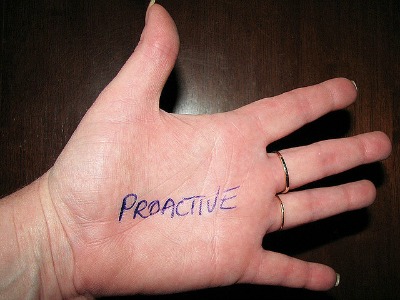
When we think of November, we often think of Thanksgiving, turkey and our favorite rich meals and decadent desserts that families eat on the holidays, but November is Also National Diabetes Month. Diabetes is the seventh leading cause of death in the United States, but thanks to advancements in modern technology, diabetic patients are literally taking their health issues into their own hands. Diabetes Type 1 usually develops in the average person by age 20, when the pancreas can no longer develop insulin, so patients have to be treated with insulin along with other medications. However, the most common type of Diabetes is Type 2, which causes excess glucose in the blood, and it can be controlled through diet and exercise, or in some cases, reversed.   Whether you are concerned about becoming diabetic, have been diagnosed as prediabetic, or you have full blown diabetes, there are several gadgets out on the market people can use to monitor their blood glucose, provide s...

Posted by Norlyn Golez
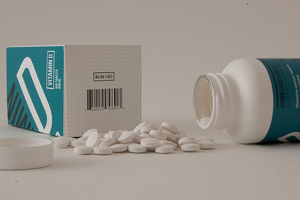
Lack of Vitamin D May Lead to Premature Death People who are deficient in vitamin D may be twice as likely to die prematurely than those who have adequate levels of this vitamin. According to a  recent study, a research team discovered, as observed over nine years, that people with less than 10 nanograms per milliliter of vitamin D present in their blood levels are twice as likely to die early than people with at least 30 nanograms/milliliter of the vitamin. This is based on a review of 32 studies conducted on vitamin D blood levels and the death in 566,583 participants from 14 countries, including the United States, whose average age is 55. Their 25-hydroxy vitamin D levels, referring to the vitamin D present in blood, were studied. Based on the results of the study, people should try to increase their vitamin D levels, according to the study author and UC San Diego professor Cedric Garland. Three years ago, the Institute of Medicine has recommended 20 ng/ml as the mi...
Posted by Norlyn Golez
Obesity is a common health problem in the US, with more than a third of its population suffering from the condition. Obesity greatly increases the risk of getting type 2 diabetes. But recent study shows that both conditions can be prevented by eating the right type of chocolate. Cacao and cocoa powder, for instance, are among the types of chocolates with the highest levels of antioxidants and anti-inflammatory properties. If you eat high levels of flavanols, it could reduce insulin resistance and enhance glucose regulation, effects which may protect you from type 2 diabetes. The research team of a mouse study was led by Andrew P. Neilson, a researcher from the Virginia Polytechnic Institute and State University’s Department of Food Science and Technology. They found out that cocoa, the main component of chocolate, restricted the mice’s ability to gain weight and reduce their sugar levels. This study was also supported by a study conducted earlier this year about ho...

Posted by Norlyn Golez
Putting your meals of the day into two large meals instead of six smaller ones will give you the same amount of calories while controlling your blood sugar levels and weight among patients with type 2 diabetes. This is according to a recent study in the Czech Republic, which was published in Diabetologia, the official journal of the European Association for the Study of Diabetes. The research consisted of 54 patients, 25 women and 29 men. They were under medication for diabetes. Many of them were between 30 and 70 years old. They were distributed into two groups of 27 members each. Each group had to follow one of the two diets with limited caloric content for 12 weeks. After such period has passed, the group switched to the second diet and continued it for 12 weeks. The diets were 500 calories less than the recommended daily intake. One diet consisted of six meals – breakfast, small snack, lunch, small snack, dinner, and small snack. The other diet consisted of two lar...

Posted by Norlyn Golez
Coffee has a compound that could lower the damage to your eyesight and prevent blindness often caused by aging, glaucoma, and diabetes, according to a study. Raw coffee contains 1% caffeine, but it has 7% to 9% chlorogenic acid (CLA), which is a strong antioxidant. When tested on mice, it lowers the effect of retinal degeneration. This is based on a study published in the Journal of Agricultural and Food Chemistry. The retina requires a high level of oxygen, which puts it at risk of experiencing oxidative stress. If it does not get enough oxygen, it will be exposed to free radicals, which could cause blindness. During the research, which was funded by The Korea Institute of Science and Technology, the mice were exposed to nitric oxide, which led them to experience free radicals and oxidative stress. Eventually, the mice showed signs of retinal degeneration. However, those which were treated with CLA before they were treated with nitric oxide showed no signs of retinal damage a...
Posted by Norlyn Golez
People who are underweight are in more danger than obese people, according to a study. Researchers concluded that extremely underweight people have double the risk of dying, based on 50 studies that were previously conducted on the subject. Health campaigns have been so far focused on obesity, but it is also a must to ensure that there are campaigns aimed to prevent underweight problems among adults and fetuses alike. The anti-obesity campaign should be staged in a way that it would not lead to underweight problems. The dangers of being underweight were the subject of a study that was published in the Journal of Epidemiology and Public Health. The study was conducted on people who were monitored for five years or more. Their BMI and its relationship to fatalities were analyzed. Dr. Joel Ray, the head of the research team, also studied how weight among stillborns and newborns are related to their death. They found out that underweight people of any age with a BMI of 18...

Posted by Norlyn Golez
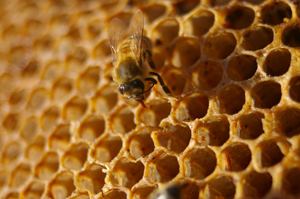
Honey may be a solution the medical community is looking for to help them resolve problems brought about by antibiotics resistance. Honey has the ability to attack bacteria causing infection on various levels, hindering bacteria from being resistant to drugs. That’s because this natural sweet food is equipped with weapons of its own, such as osmotic effect, hydrogen peroxide, acidity, polyphenols, and high sugar concentration. All these natural weapons can eliminate bacterial cells. Its osmotic effect alone dries the bacterial cells out and kills them. Another attribute that makes honey effective in killing bacteria is that it prevents the formation of any biofilm, which refers to the bacteria communities that cause diseases. This is due to the fact that the honey prevents quorum sensing, the bacteria’s method of communicating with each other that could possibly lead to biofilm formation. Without quorum sensing, some bacteria cannot even produce toxins, which could ha...
Posted by Norlyn Golez
Caffeine has long established to have health benefits. However, a new study has shown that it may improve long-term memory when consumed after studying. This is based on a paper published in the journal Nature Neuroscience. The study was led by Daniel Borota from Baltimore’s John Hopkins University. He considered how previous research has looked into caffeine as a cognitive booster, but not its effects on long-term memory. The team studied 160 participants who are 18 to 30 years old. They were all shown photos to be classified as indoor or outdoor. Half of the subjects were administered a caffeine pill after they are asked to classify the photos, while the other half were given a placebo. The next day, they were shown the same photos and some new ones. They were asked which photos were old, new, or similar to the ones shown before. Although both groups were able to identify new photos from the old ones, the group that was given caffeine pills knew which photos were first...

Posted by Norlyn Golez
Kids who don’t get enough sleep tend to make up for it with food, according to research. The study was conducted on 16-months-old kids. It showed that those who only slept for less than 10 hours at night ate 150 kcal more than those who slept for 13 hours or more. The research studied the children of 1,303 UK families, particularly their sleeping patterns at 16 months old and their diet at 21 months old. Figures showed that there is a difference of in the kcal consumption between the two groups, as the kids who sleep more only consumed 982kcal, while the kids who sleep less consumed 1087kcal. This was the first research that showed the relationship between sleep and energy intake among kids younger than three-years-old. The study was targeted towards this age group when weight gain is still uncommon, helping establish the possibility that kids this young gain weight from increased energy intake due to lack of sleep. However, the research could not explain the chang...

Posted by Norlyn Golez
Are you tired of eating the same meals day in and day out? Why not spice it up a little and experiment by trying some international foods at home. Some new flavors may be a little overwhelming at first but there’s a world of culinary possibilities waiting for you to explore. For starters, international recipe books, such as David Joachim’s “Cooking Light Global Kitchen” can give you healthy and absolutely tasty foods straight from your kitchen. The good news is that many international foods are effortlessly healthy. According to Joachim, many of their recipes are made of a reasonable amount of meat with plenty of vegetables. But his cookbook isn’t intended for vegetarians alone. The delicious Thai curry, for instance, uses ingredients such as antioxidant-rich mashed chili peppers, shallots, and lemongrass. These are then mixed with shrimp or any other food that you might want to try. There are a number International foods that do a good job of ...

Posted by Norlyn Golez
High blood pressure increases the risk of heart disease. But according to the latest research  findings in Japan, this doesn’t seem to be a problem for vegetarians, who have lower blood  pressure than those who have a largely omnivorous diet. Then, is vegetarian diet good for  preventing high blood pressure? The Osaka research findings that are published in JAMA Internal Medicine have a meta-analysis based on the millimeters of mercury (mm Hg) of the participants who are divided into vegetarians and omnivores. The study found that vegetarians have lower systolic and diastolic blood pressure than omnivores in both clinical trials and observational studies. This reduction is consistent with that of a 11lb weight loss or a low sodium diet. Even a 5 mm Hg reduction in systolic blood pressure can shave 14% off your risk of dying from stroke and 9% off your risk of dying from coronary heart disease. But the researchers also consider several other factors ...

Posted by Norlyn Golez
Having trouble conceiving? It can be quite frustrating having to wait for months or years for  some good news, while it seems too easy for other couples to get pregnant. It’s still hard for  experts to determine what could be the reason behind this. However, there are some tips that  may increase your chances of finally having a baby, including the following: Get over your soda addiction. Two or more servings of soda reduce women’s ability to conceive by 16%. Take better care of your teeth. Women with gum disease may delay your conception by two more months. Dental health should be maintained if you want to get pregnant fast. Reduce TV time for him. Spending over 20 hours watching TV can reduce your man’s sperm count as much as 44%. Sleep better. IVF treatments are best supported with seven to eight hours of sleep every day. Control chronic anxiety. High stress levels prevent women from ovulating. Lose we...